
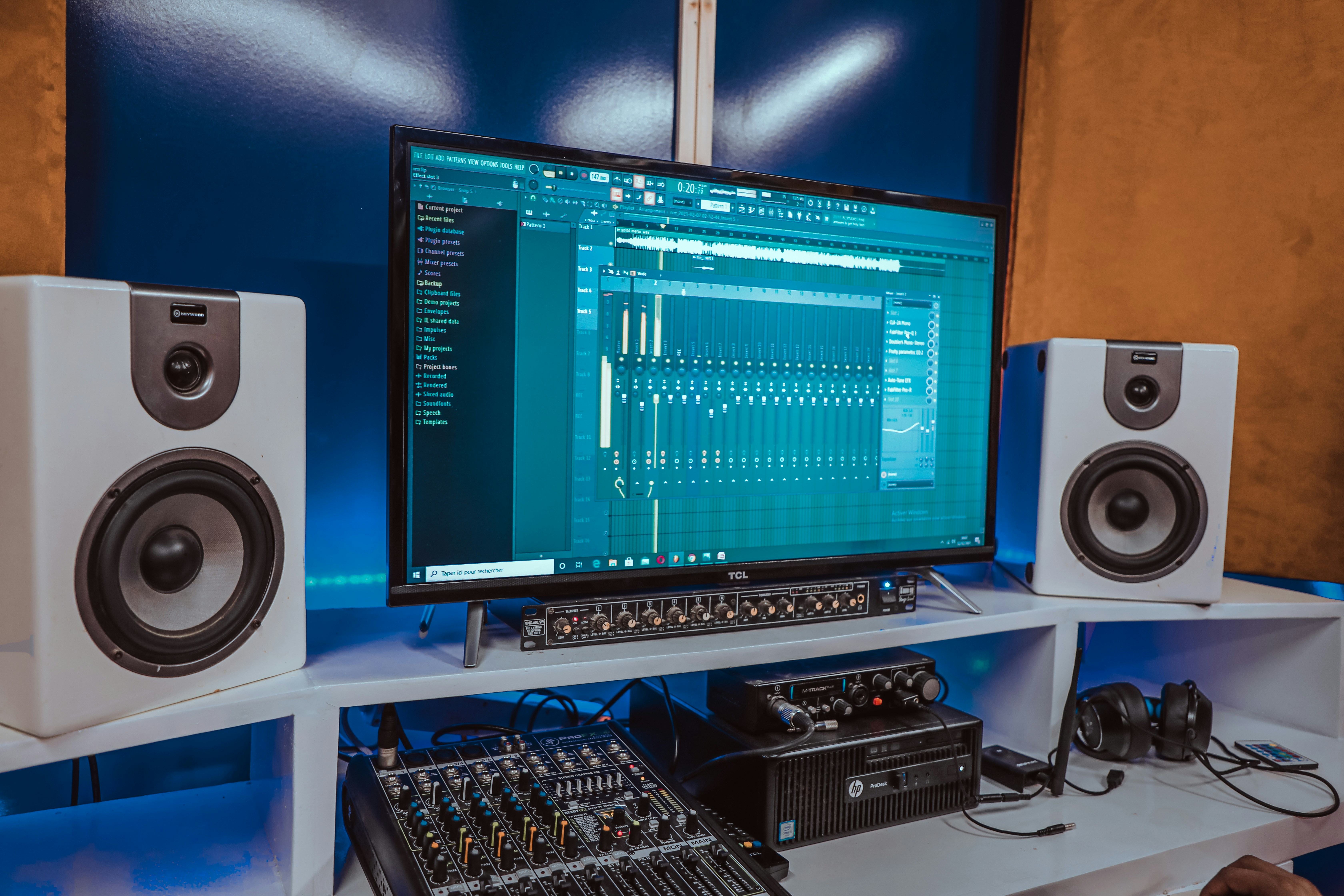
Leveraging Linux and GStreamer for Performance
GStreamer is a core media-handling element for Linux, where it serves as the foundation for desktop environments like GNOME and web engines such as WebKitGTK. This synergy enables seamless streaming and efficient handling of audio via P2P networks. By utilizing the stability of Linux, developers achieve superior performance while supporting various surround sound formats, including 3D audio capabilities. GStreamer facilitates complex audio manipulation, making it essential for today’s digital audio landscape, particularly in professional and embedded environments.
WebRTC and Modern Web Streams
The integration of WebRTC within GStreamer (via the webrtcbin and webrtcsink elements) represents a significant leap for low-latency web streams.
- Low Latency: GStreamer’s independent WebRTC implementation is designed for native apps and IoT devices, providing better flexibility than standard browser-based APIs.
- Advanced Protocols: Newer versions support protocols like WHIP and WHEP for standardized media ingestion and egress, alongside ultra-low latency protocols like SRT.
- Congestion Control: Innovations include the implementation of the Google Congestion Control (GCC) algorithm, ensuring reliable audio quality even under varying network conditions.
AI-Driven Acoustic Solutions and DSP
The integration of DNN and AI allows for enhanced acoustic solutions, such as real-time noise reduction, echo cancellation, and spatial audio rendering.
- NPU Acceleration: Using libraries like PyTorch or Nvidia’s DeepStream SDK, developers harness Neural Processing Units (NPUs) to run cutting-edge voice AI models directly on the device.
- Sophisticated DSP: Modern Digital Signal Processors (DSPs), such as the Cadence Tensilica HiFi series, are now designed specifically to accelerate AI workloads, offering up to 8x higher AI performance for immersive audio standards like Dolby MS12.
Real-Time Audio with FreeRTOS
For deeply embedded systems where Linux may be too heavy, FreeRTOS serves as a vital technology for digital audio.
- Low-Latency Kernel: FreeRTOS provides a preemptive, priority-based environment essential for real-time DSP tasks where interrupt latency must be minimal.
- Hardware Integration: It is widely used on specialized processors like the Analog Devices SHARC+ and Blackfin to manage audio pass-through and DMA-driven signal processing.
- Embedded AI: Integration with tools like TensorFlow Lite for Microcontrollers allows FreeRTOS to handle lightweight AI tasks, such as keyword spotting, directly on low-power IoT hardware.
Conclusion: The Future of Digital Audio
The collaboration between digital audio frameworks like GStreamer, the real-time reliability of Linux and FreeRTOS, and AI-driven DSPs defines the future of commercial
Introduction to Digital Audio Technologies
In the ever-evolving commercial audio market, innovations are primarily driven by digital audio technologies like GStreamer. This multimedia framework enhances audio processing by integrating deep learning (DNN) techniques powered by AI, paving the way for sophisticated audio solutions.
Leveraging GStreamer for Performance and Flexibility
GStreamer enables seamless streaming and efficient handling of audio via P2P networks. By utilizing Linux and FreeRTOS, developers can achieve superior performance while supporting various surround sound formats, including 3D audio capabilities. GStreamer facilitates audio manipulation and playback, making it essential for today’s digital audio landscape.
AI-Driven Acoustic Solutions
The integration of DNN and AI within audio technologies allows for enhanced acoustic solutions, making it easier to create immersive audio experiences. By utilizing powerful libraries such as PyTorch, developers can harness NPU (Neural Processing Unit) capabilities for real-time audio processing, extending beyond traditional DMX setups to modern digital audio standards.
Conclusion: The Future of Digital Audio
As we advance in audio technology, the collaboration between digital audio frameworks like GStreamer and AI-driven tools offers a promising future for commercial audio innovation. This synergy enables the industry to not only keep pace with modern demands but also to redefine audio experiences through continued exploration and technological integration.